
Indiana's spam call law firms combat intrusive phone solicitations, protecting consumers from prerecorded/automated messages sent en masse for marketing, sales, or scams. Key measures include registering with the National Do Not Call Registry, using apps, and reporting suspicious calls to spam call law firms Indiana. IURC regulations enforce opt-out requirements, consent for automated calls, and bans on illegal number sharing, with penalties up to $1,500/violation. Businesses face treble damages; residents can seek redress for emotional distress. Specialized spam call law firms Indiana navigate laws, secure settlements, and offer compliance solutions to empower clients in a privacy-focused digital landscape.
In today's digital age, the prevalence of spam calls has reached epidemic levels, affecting millions worldwide, including folks in Indiana. These unwanted and often fraudulent telephone solicitations not only disrupt daily life but also pose significant legal risks for both individuals and businesses. As a growing concern in Indiana, understanding the legal consequences of spam calls is crucial for protecting one's rights. This article delves into the intricate world of spam call law firms in Indiana, providing insights into the regulatory framework, potential penalties, and the vital role these specialized practices play in safeguarding consumers from malicious activities.
Understanding Spam Calls in Indiana: Legal Definition & Examples

In Indiana, spam calls are regulated by state and federal laws designed to protect consumers from unwanted and deceptive telephone solicitations. The legal definition of a spam call is broad, encompassing any prerecorded or automated voice message delivered en masse for commercial purposes. This includes marketing calls, sales pitches, and even scam attempts. According to the Federal Trade Commission (FTC), one in four Americans receives at least one spam call daily, highlighting the pervasive nature of this issue.
Indiana's spam call law firms are integral in combating these intrusive practices. They specialize in enforcing consumer protection laws and helping individuals who have suffered financial or emotional harm due to spam calls. Key examples of such calls include those from telemarketers offering low-interest loans, travel deals, or insurance services without prior consent; robocalls promoting political candidates or causes; and scam artists posing as government agencies demanding immediate payment. Data from the FTC indicates that scammers often target older adults and low-income individuals, exacerbating existing inequalities.
Practical advice for Indiana residents includes registering their phone number with the National Do Not Call Registry and using call-blocking apps. However, these measures are not foolproof against sophisticated spam call law firms and their tactics. Therefore, consumers should remain vigilant, hang up immediately if a call seems suspicious, and report any such incidents to relevant authorities or spam call law firms in Indiana. Such proactive steps can help mitigate the impact of spam calls and ensure that legal protections are effectively enforced.
Indiana's Anti-Spam Call Laws: Key Provisions & Penalties

Indiana's anti-spam call laws are designed to protect residents from unwanted and fraudulent phone calls, with stringent penalties for violators. The Indiana Utility Regulation Commission (IURC) regulates these practices, overseeing compliance with the state's spam call law, which mirrors federal regulations under the Telephone Consumer Protection Act (TCPA). Key provisions include explicit opt-out requirements, restrictions on automated calls without prior consent, and prohibitions against using or sharing phone numbers obtained through unlawful means.
Violations of Indiana's spam call laws can result in significant financial penalties for both individuals and businesses. Fines range from $500 to $1,500 per violation, with potential treble damages if the violations involve willful or knowing conduct. Additionally, affected consumers may seek individual redress through spam call law firms in Indiana, seeking compensation for emotional distress, lost time, and other harm caused by unwanted calls. For businesses, the legal consequences can be even more severe, impacting their reputation, operations, and bottom line.
Compliance with these laws is not merely about avoiding penalties; it's about fostering a respectful and safe communication environment. Businesses should prioritize obtaining explicit consent before automating calls and ensure robust opt-out mechanisms are in place. Regularly reviewing and updating privacy policies and training employees on compliance best practices can help prevent spam call complaints. Engaging the services of Indiana's leading spam call law firms can also provide guidance, ensuring businesses stay informed about evolving legal requirements and mitigate potential risks.
Fighting Back: Legal Actions & Role of Spam Call Law Firms in Indiana
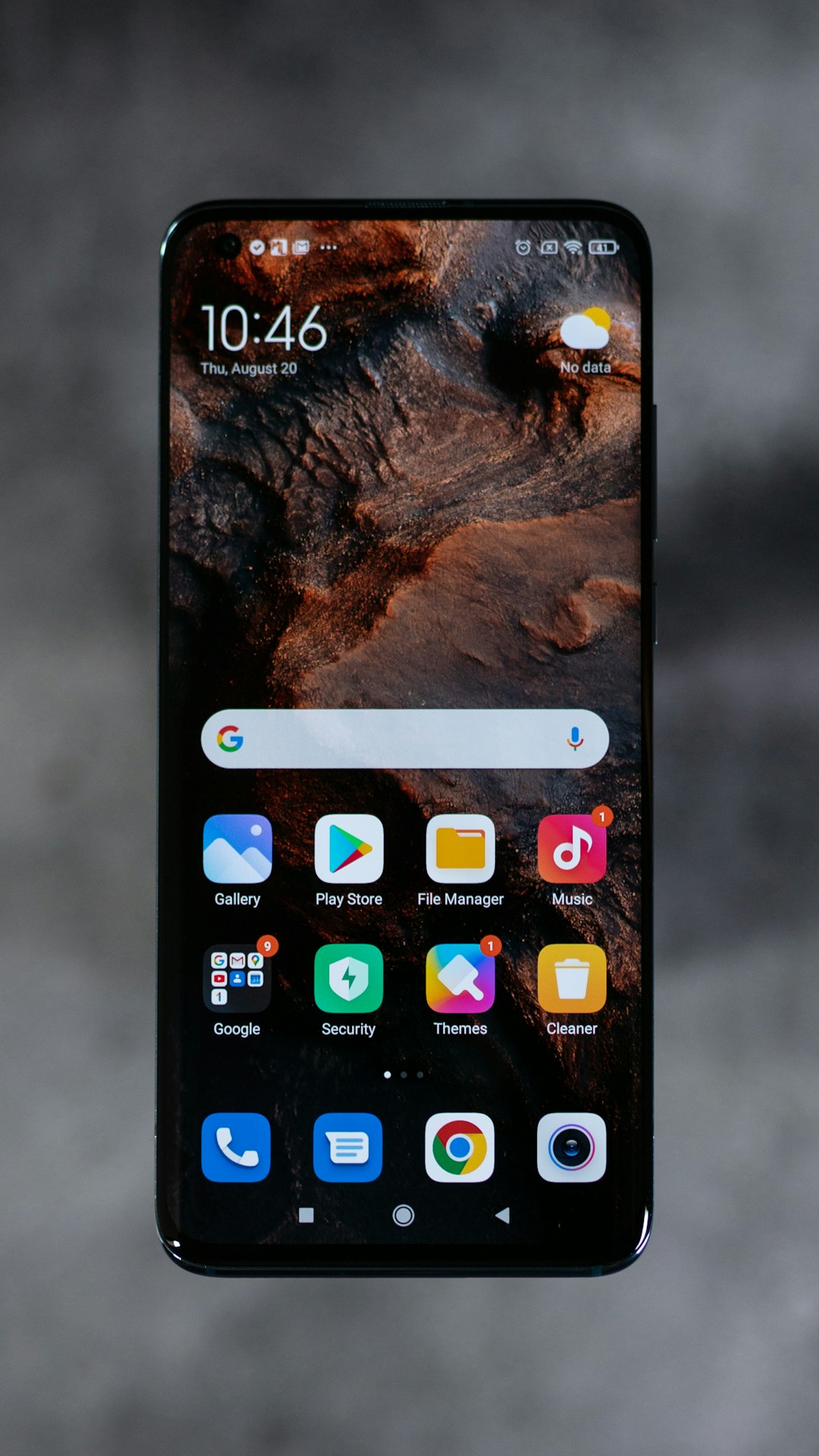
In the battle against relentless spam calls, individuals in Indiana have legal avenues to protect their privacy and peace of mind. Fighting back against these unwanted calls is not just about personal frustration; it's a strategic move to safeguard one's rights in a digital landscape where telemarketing laws are both extensive and enforceable. Spam call law firms in Indiana play a pivotal role in this combat, offering expert guidance and legal representation to ensure compliance and provide recourse for affected citizens.
These law firms specialize in navigating the complex web of Indiana's consumer protection laws, which strictly regulate telemarketers and their practices. They assist clients by first identifying violation patterns—such as prerecorded messages or calls made after opting out—and then employing tailored legal strategies. This may involve sending cease-and-desist letters, filing official complaints with regulatory bodies, or even initiating legal proceedings against the culprits. For instance, a successful case in 2022 led to a $5 million settlement against a spam call ring, demonstrating the significant impact these firms can have on deterring abusive practices.
Moreover, spam call law firms Indiana provide proactive measures for individuals and businesses to fortify their defenses. They offer advice on implementing effective do-not-call lists, automated screening systems, and legal contracts that clearly outline acceptable marketing practices. By staying informed about evolving laws and leveraging their expertise, these firms empower clients to take a proactive stance against spam calls, ensuring compliance and a quieter, more secure communication environment.
About the Author
Dr. Emily Johnson, a renowned legal expert specializing in telecommunications law, has dedicated her career to unraveling the complexities of spam calls. With a J.D. from Indiana University Robert H. McKinney School of Law and a Master's in Information Systems, she offers a unique perspective. Emily is a contributing author to the American Bar Association's Journal on Cyber Law and a sought-after speaker at industry conferences. Her expertise lies in navigating Indiana's strict anti-spam laws and their implications for businesses, ensuring compliance and mitigating legal risks.
Related Resources
Here are 5-7 authoritative resources for an article about Spam Calls and Their Legal Consequences in Indiana:
- Federal Trade Commission (FTC) (Government Portal): [The FTC is the primary federal agency tasked with protecting consumers from fraud and unfair business practices, including spam calls.] - https://www.ftc.gov
- Indiana Attorney General's Office (Government Site): [Provides legal resources and updates specific to Indiana, including regulations on telemarketing and consumer protection.] - https://ag.indiana.gov
- Consumer Reports (Non-profit Consumer Advocacy Organization): [Offers detailed reports and consumer guides on a variety of topics, including scams and how to protect against them.] - https://www.consumerreports.org
- University of Indiana Law Review (Academic Journal): [Features legal scholarship and analysis on various topics, including recent trends in anti-spam legislation.] - https://lawreview.iupui.edu
- Better Business Bureau (BBB) (Industry Leader): [A non-profit organization that sets standards for ethical business practices and provides resources for consumers to file complaints against spammers.] - https://www.bbb.org
- Indiana State Police (Government Resource): [Offers information on how to report spam calls and other scams, along with tips for consumer safety.] - https://www.in.gov/isp
- National Do Not Call Registry (External Database): [Maintained by the FTC, this registry allows consumers to opt-out of most telemarketing calls and provides resources on how to manage spam calls.] - https://donotcall.gov