
Indiana residents are protected from spam calls by state laws overseen by the IURC, which restrict automated marketing calls requiring explicit prior consent. Spam call attorneys in Indiana guide residents on their rights and take legal action against violating businesses. These attorneys offer countermeasures like blocking numbers, 'Do Not Call' lists, and education about common fraud strategies. Residents facing persistent spam calls can register on the Do Not Call Registry or file lawsuits with the help of a spam call attorney Indiana.
In Indiana, navigating persistent spam calls can be exasperating. Understanding state laws and effective strategies is crucial to reclaiming your peace of mind. This guide delves into the world of spam call prevention, offering insights on Indiana's legal protections and proven tactics to mitigate unwanted calls. If you're a resident facing relentless spam, know that legal recourse is available through a spam call attorney in Indiana. Discover how to assert your rights and silence the constant interruptions.
Understanding Indiana's Spam Call Laws
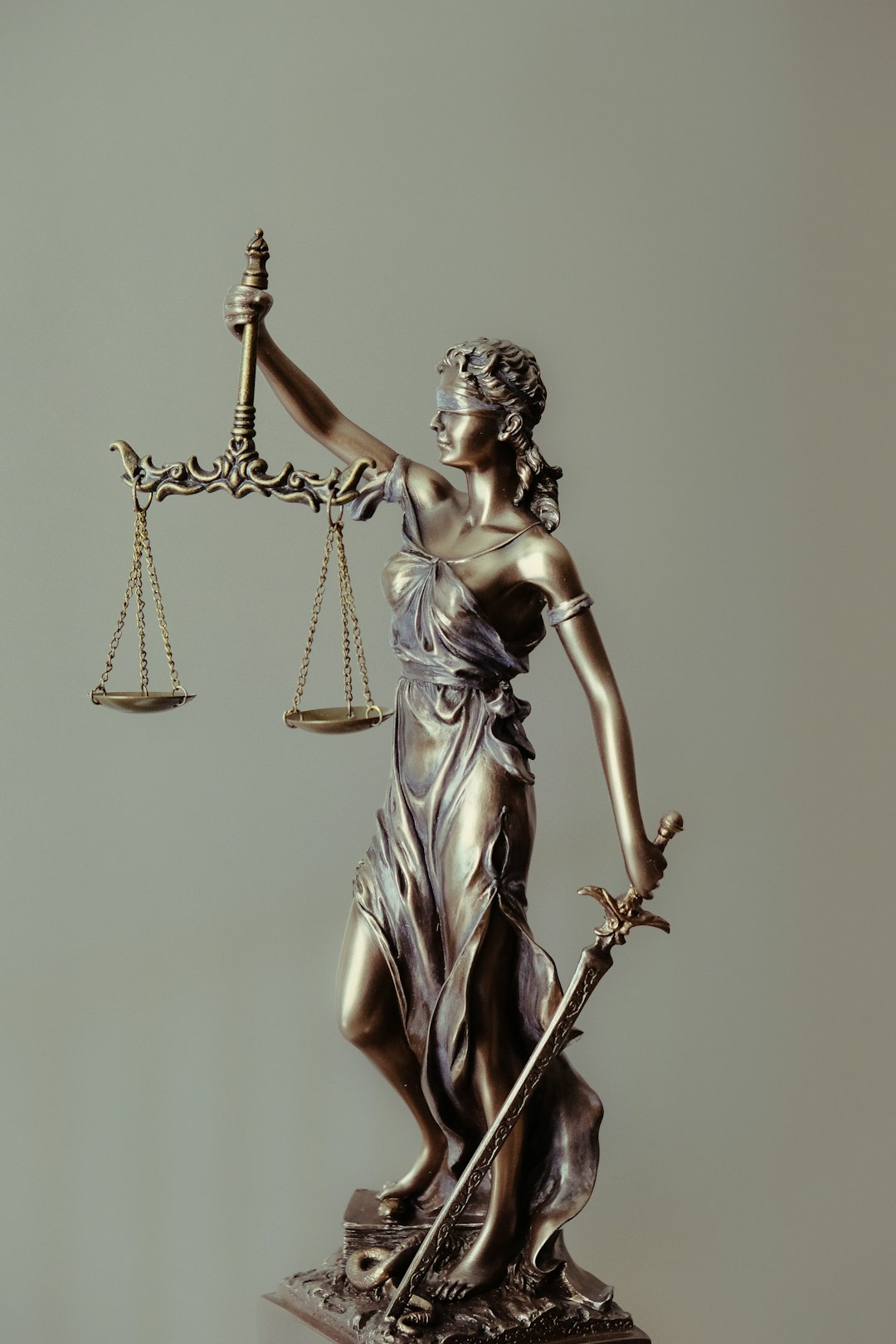
Indiana residents have certain protections against spam calls thanks to state laws designed to combat unwanted telemarketing practices. The Indiana Utility Regulatory Commission (IURC) oversees and enforces these regulations, which include restrictions on when and how businesses can contact consumers by phone. Specifically, Indiana's spam call laws prohibit automated or prerecorded calls from marketing purposes unless the caller has obtained prior explicit consent from the recipient.
A spam call attorney in Indiana can help residents understand their rights under these laws and take action if they've been victims of illegal spam calls. These attorneys specialize in navigating the complex regulations surrounding telemarketing practices, ensuring that businesses comply with the rules and providing legal recourse for individuals who have suffered harm due to unsolicited phone marketing.
Common Spam Call Strategies and Their Effectiveness

Spam calls, especially those from telemarketers or fraudsters, are a persistent problem for many Indiana residents. Understanding common strategies employed by these callers can empower individuals to better protect themselves. One prevalent tactic is the use of automated dialing systems that randomly generate numbers, hoping to catch a live person before hanging up. These calls often deliver pre-recorded messages about prizes, investments, or legal services, with the intent to trick recipients into providing personal information.
Despite their frequency, many spam call strategies are easily identifiable and effective countermeasures exist. For instance, blocking numbers through phone settings or using specialized apps can significantly reduce unwanted calls. Additionally, registering on state-level 'Do Not Call' lists offers some protection. Indiana residents can also leverage the power of knowledge by educating themselves about these tactics, especially when it comes to legal services, and directly contacting a reputable spam call attorney Indiana to report and address any fraudulent attempts.
Legal Recourse for Indiana Residents Targeted by Spam Calls

In Indiana, residents targeted by spam calls have legal recourse. According to state laws, telemarketers must comply with strict regulations, including obtaining prior consent before making automated or prerecorded calls. If you've been victimized by persistent spam calls, a spam call attorney in Indiana can help. They specialize in navigating the complexities of consumer protection laws and can take appropriate action, such as filing lawsuits against violators to stop the harassment and seek compensation for any financial losses incurred.
Indiana residents can also register their phone numbers on the state's Do Not Call Registry to limit unwanted calls. While this doesn't guarantee a complete end to spam calls, it does provide some relief. Consulting with a spam call attorney in Indiana is a crucial step if you've exhausted other options and continue to face nuisance calls. They can guide you through your rights and available legal options to put an end to the disruption.